

DePaul Basketball Roster 2026: Players, Team Structure, and Season Outlook
College basketball rosters almost never stay put. Someone decides to transfer. Somebody else finishes up school. You get a freshman who shows up, everyone’s expecting big things, and then he finds out pretty quickly that college hoops moves a lot faster than high school did. When fans start looking up the DePaul basketball roster for 2026, they’re usually trying to figure out what the team might actually look like that year, basically, what kind of squad the Blue Demons will run out on the court.
DePaul University is in Chicago and plays in the Big East Conference, which isn’t exactly a cakewalk. The teams they go up against have serious tournament backgrounds and pull in top recruits all the time. With pressure like that, every move with the roster really matters. Coaches have to put together a group tough enough for rough conference games, but also make sure they’re bringing younger guys along, since those players are supposed to be tomorrow’s stars.
For 2025 into 2026, DePaul looks like it’s right in the thick of rebuilding a phase with more young players coming in, some transfers mixing things up, and an eye on slow-and-steady improvement overall. Digging into who’s playing where and how things are shaping up gives you a much better idea of what this roster could deliver when 2026 rolls around.
DePaul Basketball Program Background
DePaul basketball traces its history back more than a century. The program has produced notable players and memorable seasons, including appearances in the NCAA tournament during earlier decades. The team plays home games at Wintrust Arena in Chicago, a modern venue located near the city’s South Loop.
The Blue Demons compete against schools such as Georgetown, Marquette, Villanova, and Creighton inside the Big East schedule. Conference play alone often demands intense preparation. Many opponents feature players who later reach professional leagues.
Leadership also shapes the direction of the roster. The program currently operates under Head Coach Tony Stubblefield, who took over the team in 2021 after serving as an assistant coach at several major programs. His approach places emphasis on recruiting athletic guards and versatile forwards who can compete in the fast pace common in the Big East.
That philosophy appears to influence how the 2026 roster takes shape.
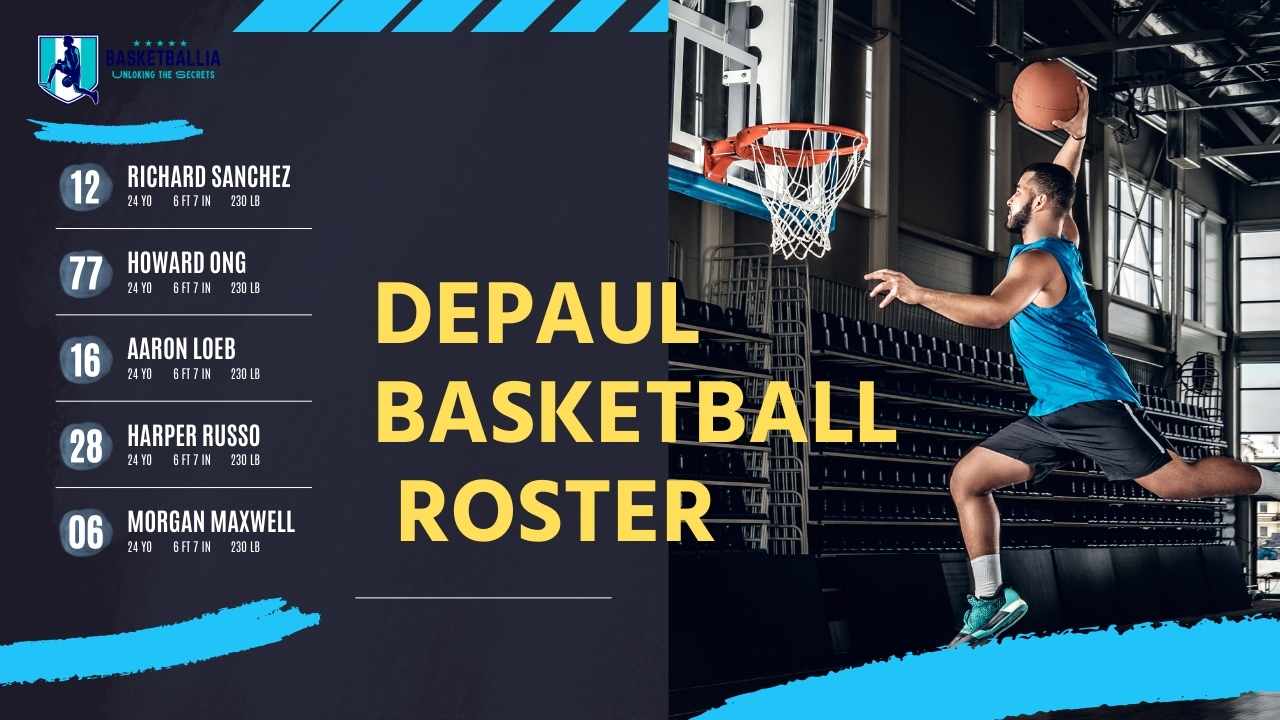
DePaul Basketball Roster 2026

Guards on the DePaul Roster
Backcourt play tends to drive most college offenses. DePaul’s roster includes several guards who handle scoring and playmaking duties. Players in these roles often manage the tempo of games and initiate offensive sets.
Jaden Henley plays a prominent role as a guard capable of attacking the basket while also creating opportunities for teammates. His size allows him to defend multiple positions in the backcourt.
Another name associated with the roster is Caleb Murphy, a guard known for distributing the ball and pushing the pace during transition situations. Ball movement becomes important in Big East matchups where defenses close quickly on shooters.
Younger guards also enter the lineup through recruiting classes. Freshmen typically require time to adjust to the physical style of college basketball. Even talented prospects sometimes spend their first months learning defensive rotations and shot selection.
These adjustments often determine how quickly a new guard can earn consistent minutes.
Wing Players and Versatile Forwards
College basketball has gradually shifted toward position flexibility. Wings who measure around six foot six or six foot seven may handle the ball one possession and defend a larger forward on the next.
DePaul’s roster includes players who fit this type of role. Da’Sean Nelson stands out as a forward capable of scoring both inside and from the perimeter. His physical frame helps when facing bigger opponents within the conference.
Another contributor is Elijah Fisher, a player who entered college with strong recruiting attention. Fisher’s game blends athletic drives toward the basket with perimeter shooting, making him useful in multiple offensive sets.
Players in these wing positions often influence the outcome of games in subtle ways. They guard opposing scorers, crash the boards, and stretch the floor with outside shooting.
Their versatility can create matchup problems for opposing defenses.
Interior Players and Frontcourt Depth
Every roster still needs size in the paint. Rebounding and rim protection remain essential parts of the sport, especially against conference rivals with experienced big men.
DePaul’s frontcourt includes players who provide that presence near the basket. Jalen Terry, although capable of playing guard positions, often contributes to rebounding and interior defense due to his strength and quick reaction time.
The roster may also include younger forwards or centers who develop gradually. Frontcourt players sometimes require extra time to adjust to the college level because the physical demands increase sharply compared with high school competition.
Coaches often rotate several players through the frontcourt during early-season games. By midseason, a clearer starting lineup usually emerges.
How the 2026 DePaul Roster Was Built
Modern college rosters rarely form through recruiting alone. The NCAA transfer portal has changed how teams assemble their lineups. Players now move between programs more frequently than in previous decades.
DePaul has used this system to add experienced athletes while still bringing in freshmen recruits. Transfers can contribute immediately because they already understand the speed and structure of college basketball.
Freshmen, on the other hand, often represent the long-term future of the program. When a recruiting class develops well, those players may become the core of the team two or three seasons later.
This blend of transfers and younger prospects may explain the structure seen on the 2026 roster.
Coaching Approach and Playing Style
A roster only matters if the players fit the coach’s system. Under Tony Stubblefield, DePaul tends to favor an up-tempo offense combined with aggressive defense on the perimeter.
Guards push the ball forward quickly after rebounds. Wings move toward open spaces along the three-point line. Big men often set screens near the top of the key to free shooters.
This style demands conditioning and strong communication among teammates. Players must recognize defensive rotations and react quickly during transition moments.
If the roster develops chemistry, the pace of play can create scoring opportunities before opponents set up their defense.
The Challenge of Competing in the Big East
Even a strong roster faces serious tests inside the Big East Conference. Schools such as UConn, Marquette, and Creighton regularly appear in national rankings.
Games against those teams often draw large crowds and television coverage. The physical style of play requires both depth and resilience.
For DePaul, progress within the conference often becomes a key measure of the program’s direction. Close games against ranked opponents may indicate improvement even if the final record does not show dramatic change.
The 2026 roster may provide insight into whether the team is moving toward consistent conference competitiveness.
Player Development During the Season
A college basketball season stretches across several months. Early nonconference games often allow coaches to experiment with lineups.
During this period, freshmen gain experience and transfers adjust to their new teammates. As conference play begins, rotations usually tighten.
Players who understand the system earn larger roles. Others may contribute off the bench in specific situations.
Observers sometimes focus only on scoring statistics. Yet improvement in defense, passing decisions, and rebounding effort can influence the outcome of games just as much as point totals.
These quieter aspects of development often determine whether a roster grows stronger as the season progresses.
Fan Interest in the DePaul Basketball Roster
Supporters of the Blue Demons follow roster updates closely each year. Changes in player personnel can signal new strategies or renewed energy within the program.
Chicago itself carries a deep basketball culture. The city has produced numerous college and professional athletes over the decades. Local fans often pay special attention when players from Illinois join the DePaul roster.
Home games at Wintrust Arena create opportunities for that community to reconnect with the program. A strong season can quickly increase attendance and enthusiasm around the team.
For many fans, the roster represents more than a list of names. It reflects hope that the program might return to national relevance.
Outlook for the 2026 Season
Predicting the success of a college basketball team months in advance can be difficult. Injuries occur. Young players develop faster than expected. Transfers sometimes change the entire dynamic of a roster.
Still, the composition of the DePaul roster suggests a focus on athletic guards, flexible wings, and developing frontcourt players. If those pieces come together, the team may show signs of improvement within conference competition.
Observers often watch early-season tournaments for clues about how the roster performs against non-conference opponents. Strong performances in those games can build confidence before the demanding Big East schedule begins.
For DePaul, steady progress during the 2026 season could lay the foundation for future growth.
Author Recommendation
Anyone studying college basketball programs should pay attention to how rosters evolve from year to year. The DePaul basketball roster for 2026 offers a useful example of a team attempting to build momentum inside a difficult conference.
One detail stands out after examining the lineup. The roster seems shaped by adaptability rather than a single star player. Guards carry scoring responsibility, while wings contribute across multiple roles. Younger athletes continue learning the pace and physical nature of the college game.
Fans might judge the program only by win totals. That view can miss quieter forms of progress. Player development, defensive consistency, and team chemistry often emerge gradually. These elements may not appear clearly in early season statistics.
Following DePaul through the 2026 season may reveal whether the roster can transform potential into sustained competitiveness. Even small steps forward within the Big East could signal that the program is moving in the right direction.
For readers interested in college basketball analysis, tracking how this roster grows over the season may provide valuable insight into the rebuilding process that many programs experience.